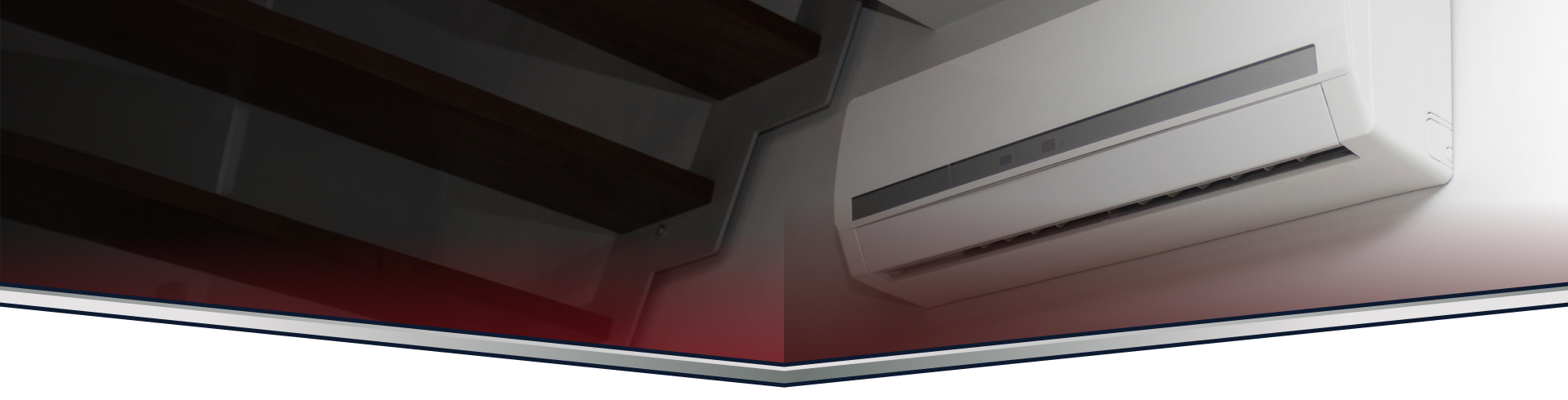
Ductless HVAC System Maintenance
Regular maintenance for ductless HVAC systems keeps them running longer and saves energy. Burke Plumbing & Heating follows a clear checklist to prevent breakdowns and keep performance steady. This work suits homeowners and small business owners who already use ductless units and want reliable comfort. Our team explains what we do and why each step matters.
We inspect filters, coils, and indoor air handlers to spot wear early. We check the outdoor compressor for dirt and proper airflow. We test electrical connections and controls to catch loose wiring. We verify refrigerant levels against the manufacturer specs to ensure safe operation.
Call today at (508) 388-1885 or reach out by using our online contact form.
Trust Your Local Comfort Experts
Serving Norton, MA Since 2000
-
Local Knowledge You Can TrustWe understand the unique needs of local homes and businesses, including regional codes, climate, and infrastructure, allowing us to recommend solutions that fit your property.
-
Advanced DiagnosticsWe use modern diagnostic tools and proven techniques to accurately identify issues, minimize downtime, and provide efficient repairs across all three trades.
-
Quality WorkmanshipFrom heating and cooling systems to plumbing and electrical work, every job is completed with precision and attention to detail for lasting performance and peace of mind.
-
Experienced Home Service ExpertsOur experienced team provides trusted HVAC, plumbing, and electrical services, delivering safe, reliable solutions backed by years of hands-on expertise.

Understanding Ductless HVAC System Maintenance
Regular maintenance for ductless HVAC systems keeps them running longer and cuts energy use. Burke Plumbing & Heating follows a clear checklist to prevent breakdowns and keep comfort steady. This service fits homeowners and small businesses that use ductless units and want reliable heating and cooling. Our team explains each step and why it matters.
We inspect filters, indoor air handlers, and outdoor compressors to spot wear early. Technicians check coils and clear dirt that blocks airflow. We test electrical connections and controls to find loose wiring or bad contacts. We also verify refrigerant levels against the manufacturer specs to ensure safe operation.
Maintenance prevents common problems like weak airflow, noise, and uneven temperatures. It also cuts the chance of sudden breakdowns during hot or cold spells. Many customers book service once or twice a year based on use and maker guidance. Regular checks help avoid larger repairs later.
The process starts with a visual and functional inspection to record the unit’s condition. Technicians clean or replace filters and remove debris from coils and drain lines. They tighten electrical parts, test controls, and run the unit to check performance. At the end, we review findings and recommend any follow-up work.
Common issues we address include clogged filters, blocked condensate drains, and worn or loose electrical parts. We also look for refrigerant leaks and odd noises from the outdoor unit. Catching these early keeps the system efficient and extends its life. We explain what we found in plain language so you can decide next steps.
Technicians follow manufacturer specs and safe work steps during every visit. Hands-on tasks are done with power off, and live checks use proper testing tools. This protects your system, your warranty, and your household. If repairs or replacement parts are needed, we explain options before any work begins.
Cost depends on unit size, accessibility, and how much cleaning or parts are required. Other factors include filter type, frequency of service, and whether refrigerant adjustment is needed. Typical maintenance visits fall within common industry ranges, though exact pricing varies by job. We provide a clear estimate after the initial inspection.
Burke Plumbing & Heating brings years of field experience to every maintenance visit. We focus on practical fixes and clear communication so you know what to expect. To arrange a no-pressure estimate or schedule a maintenance visit, contact us and we’ll guide you through the next steps.
Questions? We've Got Answers!
Have questions? We are here to help. Still have questions or can't find the answer you need? Give us a call at 508-388-1885 today!
-
How much will maintenance cost and when will I get an estimate?
Cost depends on unit size, access, filter type, and whether coil cleaning or refrigerant adjustment is needed. Typical visits fall within common industry ranges, but exact pricing varies by job. A clear, no-pressure estimate is provided after the initial inspection. Contact the team to schedule that inspection and get your estimate.
-
How do you protect safety and comply with manufacturer specs during service?
Technicians perform hands-on work with power off and use proper testing tools for live checks. They follow maker instructions for refrigerant checks and component work to protect warranties. This approach reduces risk to the system and household. If a repair or part is needed, options are explained before work begins.
-
What common problems does maintenance prevent?
Routine service stops issues like weak airflow, noisy operation, and uneven heating or cooling. It also finds clogged condensate drains, loose electrical parts, and refrigerant leaks early. Catching these problems avoids larger repairs and higher energy bills. The team explains findings in plain language so you can choose next steps.
-
How often should I schedule maintenance for my ductless system?
Most customers schedule service once a year for light use and twice a year for heavy use. Frequency also follows the unit maker’s guidance and your indoor air conditions. Regular checks reduce failures and help keep warranties valid. Technicians can recommend a cadence after the initial inspection.
-
What does a typical ductless HVAC maintenance visit include?
Technicians start with a visual and functional inspection to record the unit’s condition. They clean or replace filters, clear debris from coils and drain lines, and tighten electrical parts. They test controls, run the system under normal load, and verify refrigerant against manufacturer specs. At the end, they review findings and recommend any needed follow-up.


-
-
- Monday - Friday: 8am - 5pm
- Saturday - Sunday: 9am - 3pm
-
9 Newbury St
Norton, MA 02766 Map & Directions