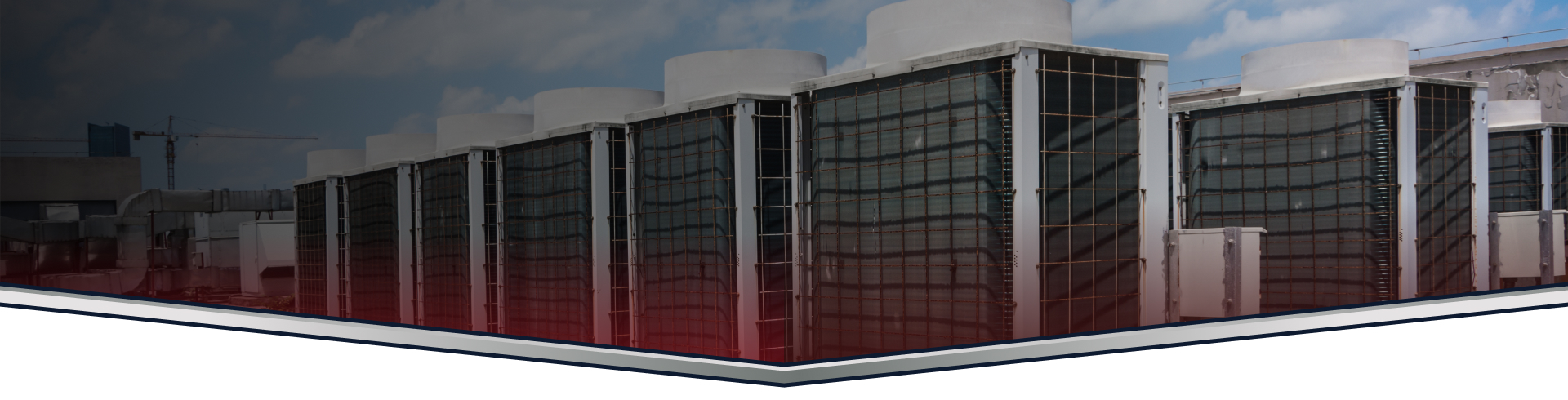
Industrial HVAC Maintenance & Repair
Industrial HVAC systems often show early signs when electrical parts fail. You might hear buzzing, see frequent breaker trips, or notice uneven temperature in large spaces. These symptoms usually point to worn contactors, failing controls, or bad wiring. We check those parts first to find the cause.
Our process starts with a visual and electrical inspection. We look at control panels, starters, wiring, and sensors. We use meters to test voltage, current, and continuity. Then we explain what we found and why it matters.
Call today at (508) 388-1885 or reach out by using our online contact form.
Trust Your Local Comfort Experts
Serving Norton, MA Since 2000
-
Local Knowledge You Can TrustWe understand the unique needs of local homes and businesses, including regional codes, climate, and infrastructure, allowing us to recommend solutions that fit your property.
-
Advanced DiagnosticsWe use modern diagnostic tools and proven techniques to accurately identify issues, minimize downtime, and provide efficient repairs across all three trades.
-
Quality WorkmanshipFrom heating and cooling systems to plumbing and electrical work, every job is completed with precision and attention to detail for lasting performance and peace of mind.
-
Experienced Home Service ExpertsOur experienced team provides trusted HVAC, plumbing, and electrical services, delivering safe, reliable solutions backed by years of hands-on expertise.

Understanding Industrial HVAC Maintenance & Repair
Industrial HVAC maintenance and repair keeps large heating, cooling, and ventilation systems running safely and reliably. This service focuses on the electrical parts that control HVAC gear, like control panels, starters, relays, sensors, and wiring. Burke Plumbing & Heating approaches each job with an electrician’s eye and follows manufacturer specs. Our goal is to restore safe operation and reduce downtime.
We start with a careful visual and electrical inspection. Technicians check control wiring, contactors, circuit protection, and sensor wiring. We use meters to read voltage, current, and continuity. Then we explain what we found and present repair options in plain language.
Common warning signs include frequent breaker trips, buzzing sounds, uneven temperatures, and units that fail to start. These often point to loose connections, worn starters, failed sensors, or shorted coils. Left alone, small faults can damage motors or compressors. Early repair lowers long-term costs and reduces business interruptions.
Typical repairs replace failed components, tighten connections, and correct wiring or control logic errors. We match new parts to the equipment maker’s recommendations and torque specs. Technicians de-energize circuits and use lockout/tagout methods to work safely. After repairs, we run the system under load to confirm the fix.
The service also includes targeted maintenance tasks that prevent future failures. Techs clean terminals, test relays and sensors, and verify sequence operation. They also check for heat, corrosion, and loose hardware. Regular checks cut emergency calls and improve energy use.
Safety and compliance guide every job. We use approved replacement parts and follow manufacturer instructions exactly. We document changes, restore covers and labels, and leave panels secure. This keeps systems safe and helps meet inspection expectations.
Costs vary with the failed part, access difficulty, and system age. Simple starter or relay swaps generally fall in lower ranges. Complex control board or multi-component repairs fall in higher ranges. We provide a clear cost range after the inspection and a written estimate before work begins.
Our team brings hands-on electrical experience with large HVAC systems and follows manufacturer specs on every job. We work to restore safe operation quickly while protecting equipment and people. To get a written estimate or schedule an inspection, contact us to set an appointment.
Questions? We've Got Answers!
Have questions? We are here to help. Still have questions or can't find the answer you need? Give us a call at 508-388-1885 today!
-
How should my team prepare before the service visit?Provide access to machine rooms and control panels and point out any recent symptoms or alarm history. Ensure site contacts are available for lockout/tagout coordination and safety verification. We bring meters and common replacement parts but may need manufacturer parts for specific controls. Contact us to schedule an inspection and get a written estimate.
-
What factors affect repair cost and how will I receive pricing?Costs vary with the failed component, ease of access, and system age. Simple starter or relay swaps sit in lower ranges, while control board or multi-component repairs sit in higher ranges. We outline cost factors after the inspection and provide a written estimate. You choose the repair level that fits your needs.
-
How are repairs performed to ensure safety and compliance?We de-energize circuits and use lockout/tagout procedures before any work. Replacement parts match the equipment maker’s specifications and torque values. Technicians restore panel covers, labels, and document all changes for future service. Final tests run the system under load to confirm the repair.
-
What does your inspection and diagnostic process involve?Technicians begin with a visual check of panels, starters, relays, sensors, and wiring. We then measure voltage, current, and continuity with meters to find electrical faults. After testing, we explain findings and present repair options in plain terms. A written estimate follows the on-site assessment.
-
What signs should prompt an inspection for industrial HVAC electrical problems?Look for frequent breaker trips, buzzing in control panels, uneven space temperatures, or units that fail to start. These signs often point to loose connections, worn starters, shorted coils, or failed sensors. Catching issues early prevents motor or compressor damage. Schedule an inspection when you see these symptoms to limit downtime.


-
-
- Monday - Friday: 8am - 5pm
- Saturday - Sunday: 9am - 3pm
-
9 Newbury St
Norton, MA 02766 Map & Directions