Skip to Content
Serving All of Massachusetts, New Hampshire, & Rhode Island
Burke Plumbing & Heating Burke Plumbing & Heating
Call Us Today! (508) 388-1885
Top
Slab Leak Detection & Repair

Slab Leak Detection & Repair

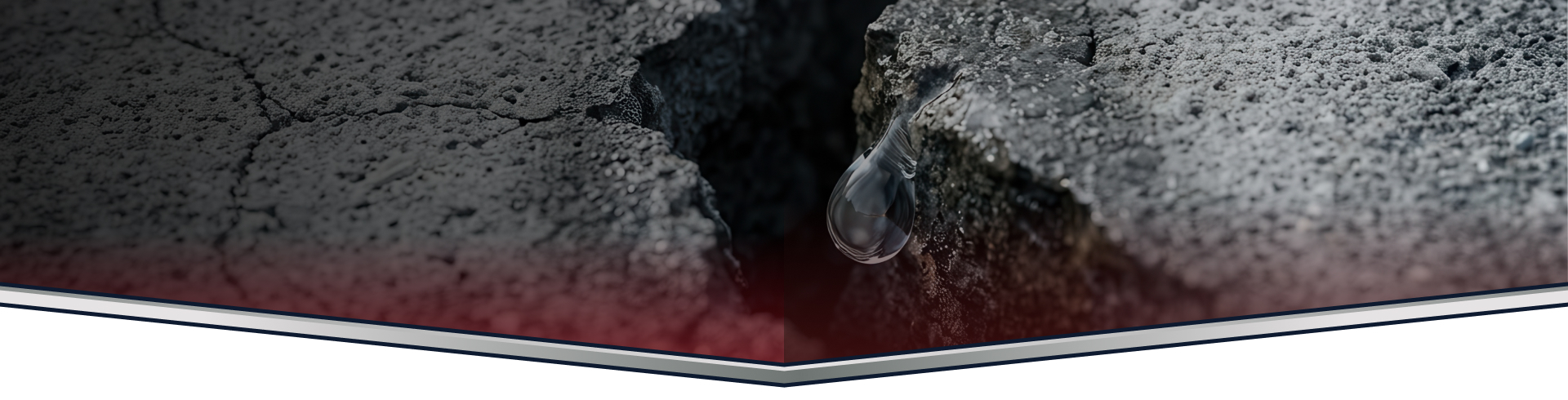
Slab leak detection and repair finds and fixes leaks under concrete floors. These leaks often show as warm floors, high water bills, or low water pressure. Left alone, they can damage flooring and the building structure. We focus on safe, clear steps so you know what to expect.

First, we inspect the area and listen for pipe noise. We use noninvasive tools to locate the leak without tearing up the floor. After locating it, we explain repair options and the likely timeline. You get straightforward advice based on the situation.

Call today at (508) 388-1885 or reach out by using our online contact form.

Continue Reading Read Less

Trust Your Local Comfort Experts

Serving Norton, MA Since 2000

  • Local Knowledge You Can Trust
    We understand the unique needs of local homes and businesses, including regional codes, climate, and infrastructure, allowing us to recommend solutions that fit your property.
  • Advanced Diagnostics
    We use modern diagnostic tools and proven techniques to accurately identify issues, minimize downtime, and provide efficient repairs across all three trades.
  • Quality Workmanship
    From heating and cooling systems to plumbing and electrical work, every job is completed with precision and attention to detail for lasting performance and peace of mind.
  • Experienced Home Service Experts
    Our experienced team provides trusted HVAC, plumbing, and electrical services, delivering safe, reliable solutions backed by years of hands-on expertise.

Get Your Comfort Back Now

A member of our team will be in touch shortly to confirm your contact details or address questions you may have.

  • Please enter your first name.
  • Please enter your last name.
  • Please enter your phone number.
    This isn't a valid phone number.
  • Please enter your email address.
    This isn't a valid email address.
  • Please lookup your address.
  • Please make a selection.
  • Please enter a message.
  • By submitting, you agree to receive text messages from Burke Plumbing & Heating at the number provided, including those related to your inquiry, follow-ups, and review requests, via automated technology. Consent is not a condition of purchase. Msg & data rates may apply. Msg frequency may vary. Reply STOP to cancel or HELP for assistance. Acceptable Use Policy

Why Choose Us?

Slab leak detection and repair finds and fixes water leaks under concrete floors. These leaks often show as warm spots, damp carpet, or higher water bills. Left alone, they can ruin flooring and weaken the structure. Burke Plumbing & Heating walks you through each step so you know what will happen.

We begin with a noninvasive inspection to confirm the leak and narrow its location. Technicians use acoustic listening, thermal imaging, and pressure testing to pinpoint the problem without breaking large floor areas. This approach speeds diagnosis and reduces damage. After the inspection, we explain the findings and next steps in plain language.

Once the leak is located, we present repair options and what each will mean for your home. Options range from a small access cut to repair the damaged section to rerouting the line around the slab. We explain how each option affects time, disruption, and materials. You choose the option that fits your needs and budget.

Repairs follow manufacturer specifications for pipes, fittings, and sealants to help ensure a lasting fix. We shut off water and relieve pressure before any cutting or soldering to keep the work safe. Technicians protect your home with barriers and clean-up mats to limit dust and mess. After repairs, we pressure-test the line to confirm the leak is sealed.

We also inspect for related damage like mold, stained drywall, or soft subfloor areas. If restoration work is needed, we coordinate with flooring or cleanup pros to return the area to normal. This helps avoid missed problems and extra costs later. You get a clear plan for any follow-up work.

Cost varies with access difficulty, pipe material, and the repair method you choose. Deeper leaks, older piping, or rerouting typically increase labor and parts. We perform the inspection first and then provide a clear estimate with a general price range. That way you can plan without surprises.

Our team brings years of field experience to slab leak work for homes and businesses. Technicians explain findings plainly and follow code and manufacturer guidance at every step. We focus on safe, reliable repairs with minimal disruption to your space. Contact Burke Plumbing & Heating to schedule an inspection and receive an estimate.

What is Slab Leak Detection & Repair?

Slab leak detection and repair finds and fixes water leaks under concrete floors. These leaks can cause warm spots, wet patches, or unusual water bills. Left unchecked, they can ruin flooring and the building structure. Burke Plumbing & Heating explains the process so you know what will happen.

We begin with a careful inspection to find the leak source. Technicians use noninvasive tools like acoustic listening and thermal imaging. These tools let us locate leaks without breaking large areas of floor. After the inspection, we show you where the leak is and explain next steps.

Once located, we discuss repair options and what each means for your floor. Options include a small access cut to fix the pipe or rerouting the line around the slab. We explain how each option affects time, disruption, and materials. You decide based on clear trade-offs and your needs.

Continue Reading Read Less

Understanding Slab Leak Detection & Repair

Slab leak detection and repair finds and fixes water leaks under concrete floors. These leaks often show as warm spots, wet patches, or higher water bills. Left alone, they can damage flooring and the building structure. Burke Plumbing & Heating explains the process so you know what will happen.

We start with a careful inspection to find the leak source. Technicians use noninvasive tools like acoustic listening and thermal imaging. These tools let us locate leaks without breaking large areas of floor. After the inspection, we show you where the leak is and explain the next steps.

Once we locate the leak, we review repair options and what each will mean for your home. Options include a small access cut to repair the pipe or rerouting the line around the slab. We explain how each option affects time, disruption, and materials. You pick the option that fits your needs.

Repairs follow manufacturer specs for pipes, fittings, and sealants. We shut off water and relieve pressure before cutting or soldering. Technicians protect your home and limit dust while they work. After repairs, we pressure-test the line to confirm the fix.

We also inspect for related issues like water stains, mold, or drywall damage. If cleanup or restoration is needed, we coordinate with flooring or restoration pros. This helps restore the area safely and completely. You get a clear plan for any follow-up work.

Cost varies by access, pipe type, and repair method. Deeper leaks or older pipe materials can increase labor and parts. Rerouting adds more time and components. We perform an inspection and then provide a clear estimate so you can plan.

Our team brings years of field experience handling slab leaks for homes and businesses. Technicians explain findings plainly and follow code and manufacturer guidance at every step. We focus on safe, reliable repairs with minimal disruption. Contact us to schedule an inspection and receive an estimate.

Continue Reading Read Less

Questions? We've Got Answers!

Have questions? We are here to help. Still have questions or can't find the answer you need? Give us a call at 508-388-1885 today!

  • What influences the cost and when will I get an estimate?
    Cost depends on access, pipe material, depth of the leak, and whether rerouting is needed. Deeper leaks or older piping raise labor and parts, and reroutes add time and components. We inspect first, then provide a clear estimate with a general price range so you can plan. Contact us to schedule an inspection and receive an estimate.
  • How do you keep the job safe and compliant with manufacturer specs?
    We shut off water and relieve pressure before cutting or soldering to reduce risk. Technicians use materials and methods that follow manufacturer specifications and local rules. We protect your home with barriers and cleanup mats and pressure-test repairs before finishing. This helps ensure a reliable, code-compliant result.
  • What repair options will you offer and how do they affect my floor?
    Options typically include a small access cut to repair the damaged pipe or rerouting the line around the slab. A targeted repair limits floor disruption but may still need patching. Rerouting can avoid future slab work but takes more time and materials. We show trade-offs so you can pick the best fit for your home and budget.
  • What happens during your slab leak inspection?
    We start with noninvasive tests like acoustic listening, thermal imaging, and pressure checks to locate the leak. These tools let us pinpoint the pipe without breaking large floor areas. After locating the leak, we explain repair options, timeline, and any follow-up checks. You get a clear plan before any work begins.
  • How do I know if a warm spot or higher water bill means a slab leak?
    Warm spots, damp carpet, sudden stains on concrete, or a jump in your water bill can indicate a slab leak. Hearing running water when no fixtures are on is another clear sign. If you notice any of these, schedule an inspection so a technician can confirm the cause noninvasively. Early checks prevent bigger damage.

Humidifiers Explained We install whole-home humidifiers to add moisture to indoor air and reduce dryness in houses and small businesses. Dry air can cause sore throats, dry skin, static shocks, and shrinking wood. This page explains our installation process for humidifiers as part of Smart Home Services under Advanced Energy Systems. We begin with an on-site assessment of your heating system and duct layout to pick the right humidifier. Common options are bypass, fan-powered, and steam units. We explain each plain option and recommend what fits your space and budget. Before any work, we check the manufacturer specs for the chosen unit and plan the install to meet those requirements. We shut off power and water for safety while we work. Following the maker’s instructions helps protect warranties and keeps the install compliant. Typical installations take a few hours to a full day, depending on the unit and site access. We mount the humidifier, run water and drain lines, and connect controls to your HVAC or home control system. Finally, we set and test the controls so the unit keeps humidity in a healthy range. Humidifiers solve problems like dry nasal passages, cracked wood trim, and frequent static shocks. They also help wood floors and paint last longer and make indoor air feel more comfortable. We explain the expected comfort changes after installation so you know what to expect. After installation we test the system and show you how to use the controls. We point out simple homeowner tasks like changing pads or checking for mineral buildup. If you want, we can schedule follow-up visits for routine upkeep. Cost depends on the humidifier type, site access, and any needed water or duct work. During the estimate we explain these cost factors and give general price ranges. The final price depends on the chosen equipment and site specifics. Our installers are licensed electricians who work daily on HVAC integrations and smart home wiring. We handle wiring carefully and follow manufacturer guidance to reduce safety risks. This approach helps protect your system and keeps installations compliant. If you want a clear written estimate and timeline, contact Burke Plumbing & Heating to schedule an on-site assessment. We will review options and provide a written estimate you can use to decide. Signs You Need Professional Humidifiers Dry, itchy skin, sore throats, and constant static shocks are common signs you need a humidifier. You may also notice gaps in wood floors or cracking trim. If plants droop or houseplants lose leaves, indoor air may be too dry. Another sign is frequent nosebleeds or worsening allergies in winter. Low humidity can dry nasal passages and make irritation worse. If you wake up congested more often in cold months, added moisture can help. Comfort changes when humidity sits below recommended levels. You might feel colder at the same thermostat setting. A whole-home humidifier evens out indoor air so you feel warmer without raising heat. High dust buildup or more frequent static on clothes and electronics can point to dry air. Humidity in the right range helps dust settle and cuts static. This can reduce how often you clean and lower static shocks. If wood doors stick in summer then pull apart in winter, humidity swings may be the cause. Humidifiers keep moisture steady to protect wood floors, cabinets, and trim. This can prevent gaps, cracks, and costly repairs over time. We check these signs during an on-site assessment and measure humidity with a meter. We pair those readings with a quick HVAC and duct check to pick the right unit. That helps us give a clear recommendation and estimate. Installation follows manufacturer specs and safe wiring practices. Our licensed electricians tie the unit into your HVAC and smart controls when needed. We test the system and show you how to use the controls before we leave. Cost depends on unit type, access to ductwork, and any water or drain work needed. During the estimate we explain these factors and offer general price ranges. Contact Burke Plumbing & Heating to schedule an on-site assessment and get a written estimate. Common Humidifiers Issues Dry, itchy skin, sore throats, and constant static shocks are common signs you need a humidifier. You may also notice gaps in wood floors or cracked trim. Plants that droop or lose leaves can point to low indoor humidity. We begin with an on-site check to confirm those signs and measure humidity with a meter. We inspect your heating system and duct layout to pick the right humidifier type. This helps us give a clear recommendation and written estimate. Common problems humidifiers solve include dry nasal passages, static buildup, and shrinking wood. They can also reduce paint and trim damage and make rooms feel warmer at the same thermostat setting. Home comfort often improves within days after installation. For installation we review the manufacturer specs and plan the work to meet those instructions. We shut off power and water for safety and to protect warranties. Licensed electricians handle wiring and any smart home integration needed. The install process typically includes mounting the unit, running water and drain lines, and tying controls into your HVAC or home system. We then set and test the controls so the humidifier keeps humidity in a healthy range. We finish with a full system test and a walk-through of basic use. Common issues after installation can include mineral buildup, pad clogging, or improper settings. We explain simple homeowner tasks like seasonal pad changes and checking for scale. If needed, we can schedule follow-up visits for routine upkeep. Safety and compliance matter: we follow manufacturer guidance and safe wiring practices. That helps protect warranties and reduces electrical or water risks. We also ensure drain and water connections meet code where required. Cost depends on the humidifier type, site access, and any needed water or duct work. During your estimate we explain these cost factors and offer general price ranges. The final price depends on equipment choice and site specifics. Our team combines hands-on experience with licensed electricians who work with HVAC and smart-home wiring daily. We focus on careful wiring and following manufacturer specs to lower risk. Contact Burke Plumbing & Heating to schedule an on-site assessment and get a written estimate.