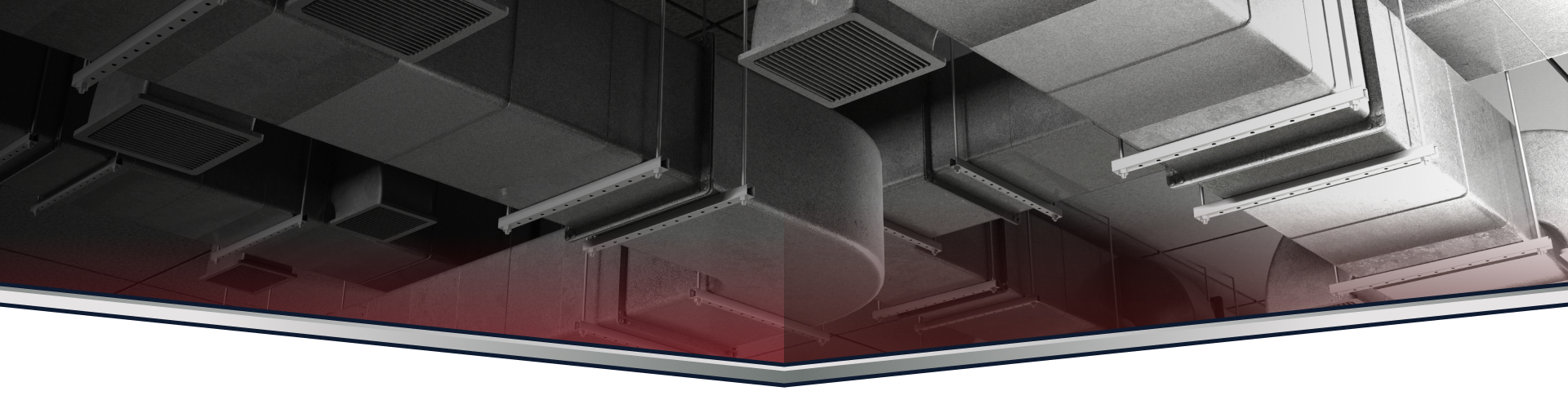
Ductwork Repair
Ductwork repair fixes leaks, gaps, crushed sections, and poor connections in the air ducts that carry heating and cooling. Common signs include uneven room temperatures, higher energy bills, dust buildup, and weak airflow from vents. Homeowners sometimes notice strange smells or rattling when the system runs. Ignoring these signs can make the HVAC system work harder and shorten its life.
We start with a visual and hands-on inspection of accessible duct runs and vents. Then we use pressure testing and basic airflow checks to find hidden leaks or blockages. Technicians may open small access points to inspect insulation and seams. After diagnosis, we outline the repair steps and material options so you know what will happen next.
Call today at (508) 388-1885 or reach out by using our online contact form.
Trust Your Local Comfort Experts
Serving Norton, MA Since 2000
-
Local Knowledge You Can TrustWe understand the unique needs of local homes and businesses, including regional codes, climate, and infrastructure, allowing us to recommend solutions that fit your property.
-
Advanced DiagnosticsWe use modern diagnostic tools and proven techniques to accurately identify issues, minimize downtime, and provide efficient repairs across all three trades.
-
Quality WorkmanshipFrom heating and cooling systems to plumbing and electrical work, every job is completed with precision and attention to detail for lasting performance and peace of mind.
-
Experienced Home Service ExpertsOur experienced team provides trusted HVAC, plumbing, and electrical services, delivering safe, reliable solutions backed by years of hands-on expertise.

Understanding Ductwork Repair
Ductwork repair fixes leaks, gaps, crushed sections, and poor connections in the ducts that carry heated or cooled air. Common signs include uneven room temperatures, rising energy bills, more dust, and weak airflow from vents. You might also hear rattling or notice musty smells when the system runs. Left alone, these problems make the system run harder and cost more to operate.
We begin with a visual check of accessible ducts and vents and then perform simple airflow and pressure checks to find hidden leaks. Technicians may open small access points to inspect insulation, seams, and joints. After the inspection, we explain the problems and outline repair options, materials, and next steps. This process-first approach helps you see what will happen and why.
Typical repairs include sealing leaks with manufacturer-approved mastic or metal tape, patching or replacing damaged duct sections, and rehanging or reinforcing sagging ducts. We may add or replace insulation on duct runs to reduce heat loss or gain. Repairs follow manufacturer specs for materials and fasteners to protect warranties and system performance. If repairs cannot restore proper airflow, we explain replacement options.
Technicians shut down the HVAC or related electrical controls before starting work near powered components. We wear masks and gloves in dusty areas and protect nearby surfaces. Work follows manufacturer instructions and local safety practices to protect indoor air quality and system safety. This keeps risk low and preserves system warranties.
Costs vary with access difficulty, the extent of damage, and the materials you choose. Simple sealing and minor patches cost less than replacing long or hard-to-reach sections. We provide a clear, written estimate after the inspection that shows labor, parts, and any recommended follow-up. Request an on-site estimate to get a tailored price and timeline.
Our team brings hands-on experience with residential and commercial duct repairs and focuses on practical, lasting fixes. If you want a clear assessment and a no-pressure written estimate for ductwork repair, request an on-site visit with Burke Plumbing & Heating’s Smart Home Services.
Questions? We've Got Answers!
Have questions? We are here to help. Still have questions or can't find the answer you need? Give us a call at 508-388-1885 today!
-
How much will ductwork repair cost and how do I get an estimate?Costs vary with how hard ducts are to reach, the extent of damage, and the materials chosen; sealing is cheaper than full section replacement. We provide a clear, written estimate after the on-site inspection that lists labor, parts, and any follow-up. Request an on-site estimate to get a tailored price and timeline.
-
Are repairs safe and compliant with manufacturer instructions?Technicians shut down the HVAC and related electrical controls before cutting or sealing ducts. We use masks and gloves in dusty areas and protect nearby surfaces. All work follows manufacturer instructions and accepted safety practices to protect indoor air quality and warranties. Those steps keep risk low and preserve system safety.
-
What common repairs do you perform and what should I expect?Typical fixes include sealing leaks with approved mastic or metal tape, patching or replacing damaged sections, rehanging sagging ducts, and adding insulation. We follow manufacturer specs for materials and fasteners to protect performance and warranties. If repairs won’t restore proper airflow, we explain replacement options and next steps.
-
What does your ductwork repair process look like?We start with a visual check of accessible ducts and vents, then run simple airflow and pressure tests. Technicians may open small access points to inspect seams, joints, and insulation. After diagnosis, we explain findings and outline the repair steps and materials so you know what will happen next.
-
How do I know if my ductwork needs repair?Look for uneven room temperatures, weak airflow, higher energy bills, or more dust. You might also hear rattling or smell musty odors when the system runs. Those signs usually mean leaks, crushed sections, or poor connections that need inspection. Early checks can prevent bigger HVAC problems.


-
-
- Monday - Friday: 8am - 5pm
- Saturday - Sunday: 9am - 3pm
-
9 Newbury St
Norton, MA 02766 Map & Directions